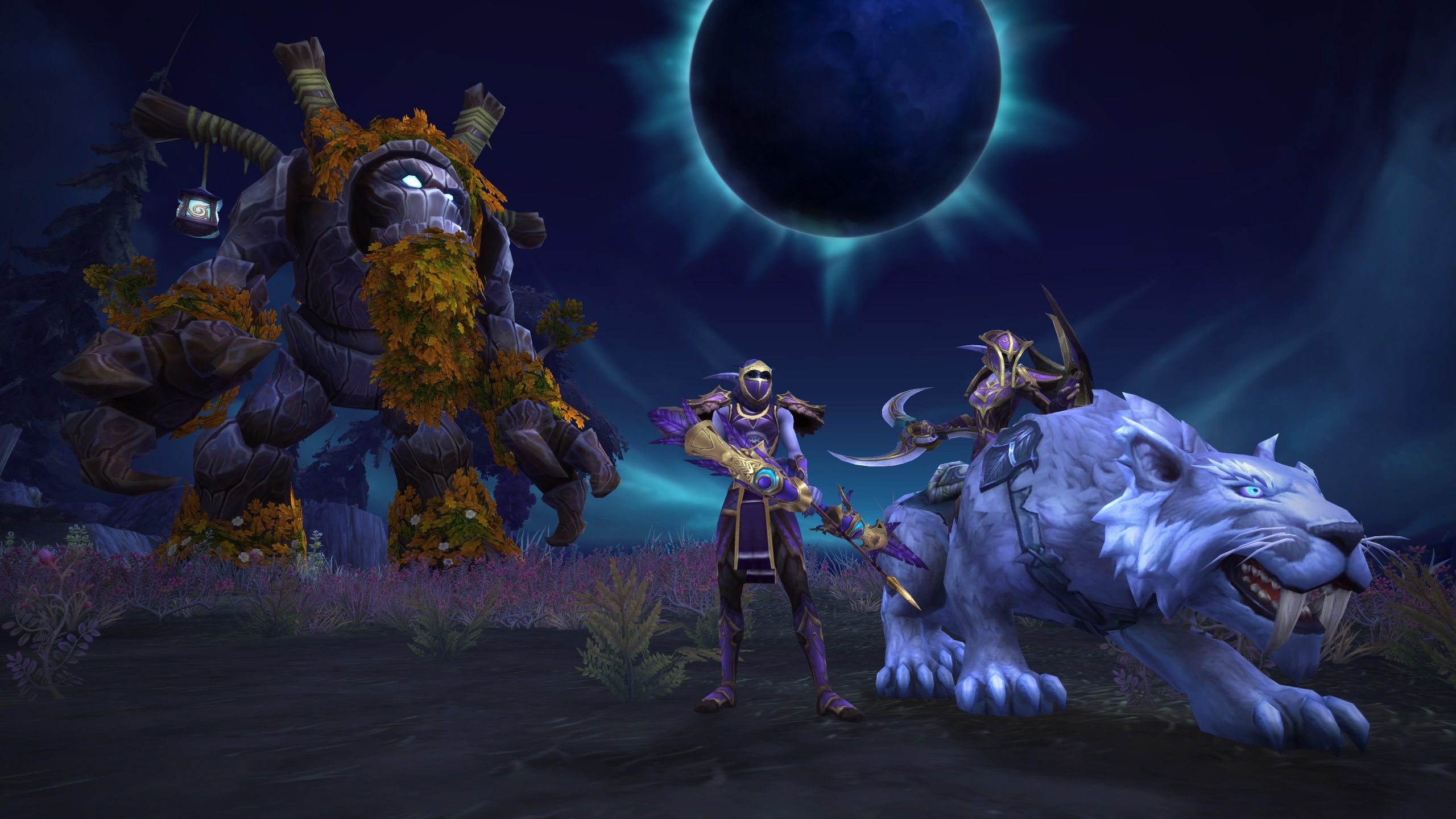
Raid bosses have always been the crown jewels of WoW’s PvE content, offering the most challenging encounters in the game. Over the years, these fights have evolved dramatically, shifting from simple tank-and-spank encounters to multi-phase spectacles that require precise coordination, mechanics mastery, and adaptability. This evolution reflects Blizzard’s growing ambition and the community’s rising expectations for complex, engaging encounters.
Looking at the history of raid boss mechanics reveals how WoW grew from humble beginnings into a game known for some of the most intricate raid fights in MMO history.
Classic WoW: Simplicity and Scale
In Classic WoW, raid bosses like Ragnaros and Onyxia were mechanically simple but demanded massive groups of 40 players. Encounters often relied on gear checks, resistance mechanics, and sheer numbers. Success depended less on individual execution and more on collective discipline and preparation.
These early raids built the foundation for the genre, teaching players the basics of coordination and group responsibility even if the mechanics themselves were straightforward.
The Burning Crusade and Wrath of the Lich King
With The Burning Crusade, raid mechanics became more dynamic. Fights like Lady Vashj and Kael’thas introduced multi-phase encounters with add management, environmental hazards, and intricate timing. Wrath pushed this further with Ulduar, which introduced hard modes, and Icecrown Citadel, where the Lich King fight demanded execution across multiple mechanics.
These expansions solidified Blizzard’s design philosophy: raid bosses should challenge players’ skill and creativity, not just their ability to grind gear.
Cataclysm to Mists of Pandaria
Cataclysm introduced encounters like Ragnaros 2.0, a fight that demonstrated how Blizzard could reinvent classic bosses with new depth. Mists of Pandaria built on this with mechanics that emphasized teamwork and awareness, such as Lei Shen’s intermission phases and Sha of Fear’s arena-style battles.

By this time, boss fights had become multi-layered experiences that demanded adaptability across entire raid groups, setting the stage for modern raid design.
Warlords of Draenor and Legion
Warlords and Legion pushed mechanical complexity to new heights. Encounters like Archimonde and Kil’jaeden tested every aspect of raid play, from positioning to survival cooldowns. Legion also introduced Mythic raid difficulty, cementing the standard for high-end raiding and offering some of the hardest content ever seen in WoW.
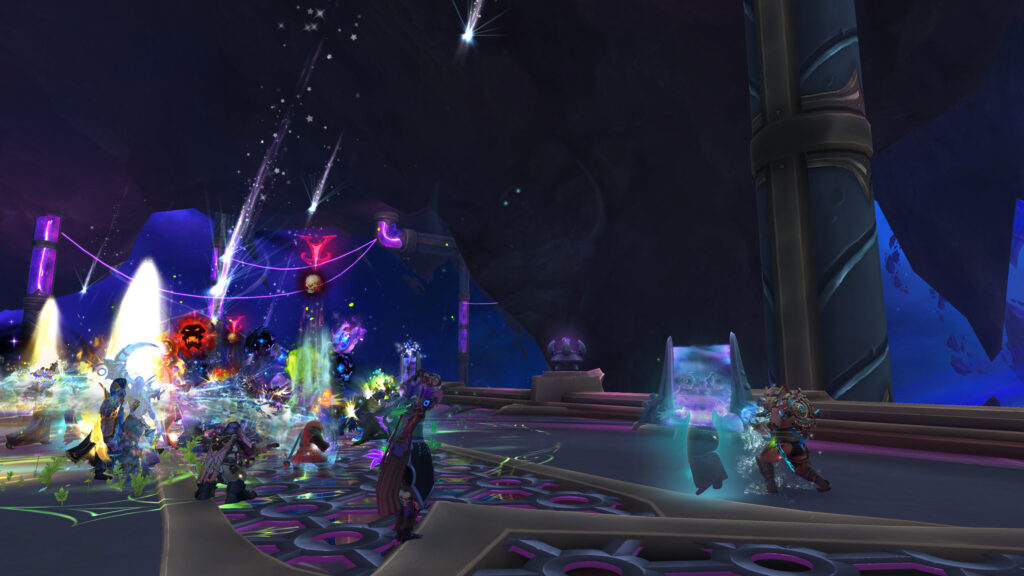
This era emphasized spectacle as much as challenge, with cinematic transitions and world-shaking mechanics that made raids feel like true endgame events.
Modern Expansions: Shadowlands to The War Within
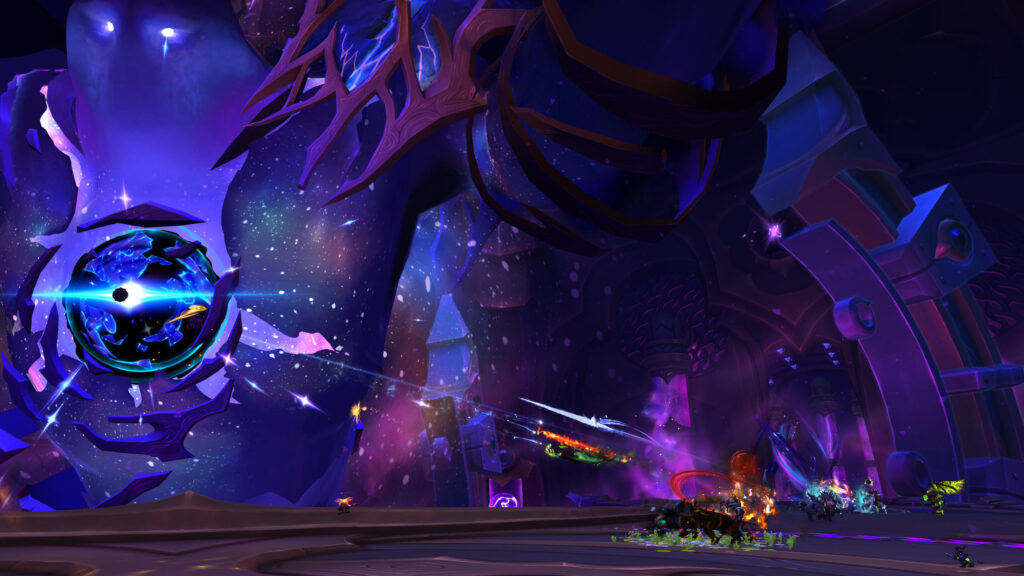
Modern raid bosses have refined WoW’s design balance between accessibility and challenge. Shadowlands’ Sylvanas fight showcased cinematic storytelling, while Dragonflight and The War Within focus on mechanics that encourage teamwork without overwhelming casual players. Scaling systems ensure bosses remain relevant across raid sizes and difficulties.
The combination of mechanical depth and narrative flair ensures modern raid encounters are not only battles but also storytelling milestones.
- Classic – Simple, gear-focused fights.
- Burning Crusade – Multi-phase complexity.
- Wrath – Hard modes and cinematic raids.
- Pandaria – Team-focused coordination fights.
- Legion – Mythic raiding at its peak difficulty.
- Modern WoW – Balance of spectacle and accessibility.
Conclusion
The evolution of raid boss mechanics in WoW mirrors the growth of the game itself. From simple encounters in Classic to cinematic, multi-layered fights in modern expansions, Blizzard has continuously raised the bar. These encounters remain the pinnacle of PvE content, offering not only challenges but also unforgettable experiences that define eras of WoW’s history.
As The War Within and future expansions unfold, raid design will continue to evolve, blending storytelling with mechanics to keep players engaged and challenged.
Home